March 3, 2026
Understanding the importance of lawn care goes beyond just aesthetics; it plays a crucial role in the overall health and sustainability of our environment. Structured lawn care programs help outdoor spaces become not only visually stunning but also sustainably maintained. From improving soil composition to managing water use efficiently, these programs can revolutionize how we care for our properties.
According to data from Workyard, approximately $129 billion is spent annually by U.S. residents on landscaping and gardening services, highlighting the massive investment homeowners make in their outdoor living spaces. The accessibility and variety of lawn care programs today make it easier for property owners to implement efficient practices. As we dive into the specifics of these programs, it is crucial to understand how they can significantly benefit your living environment.
Enhancing Curb Appeal
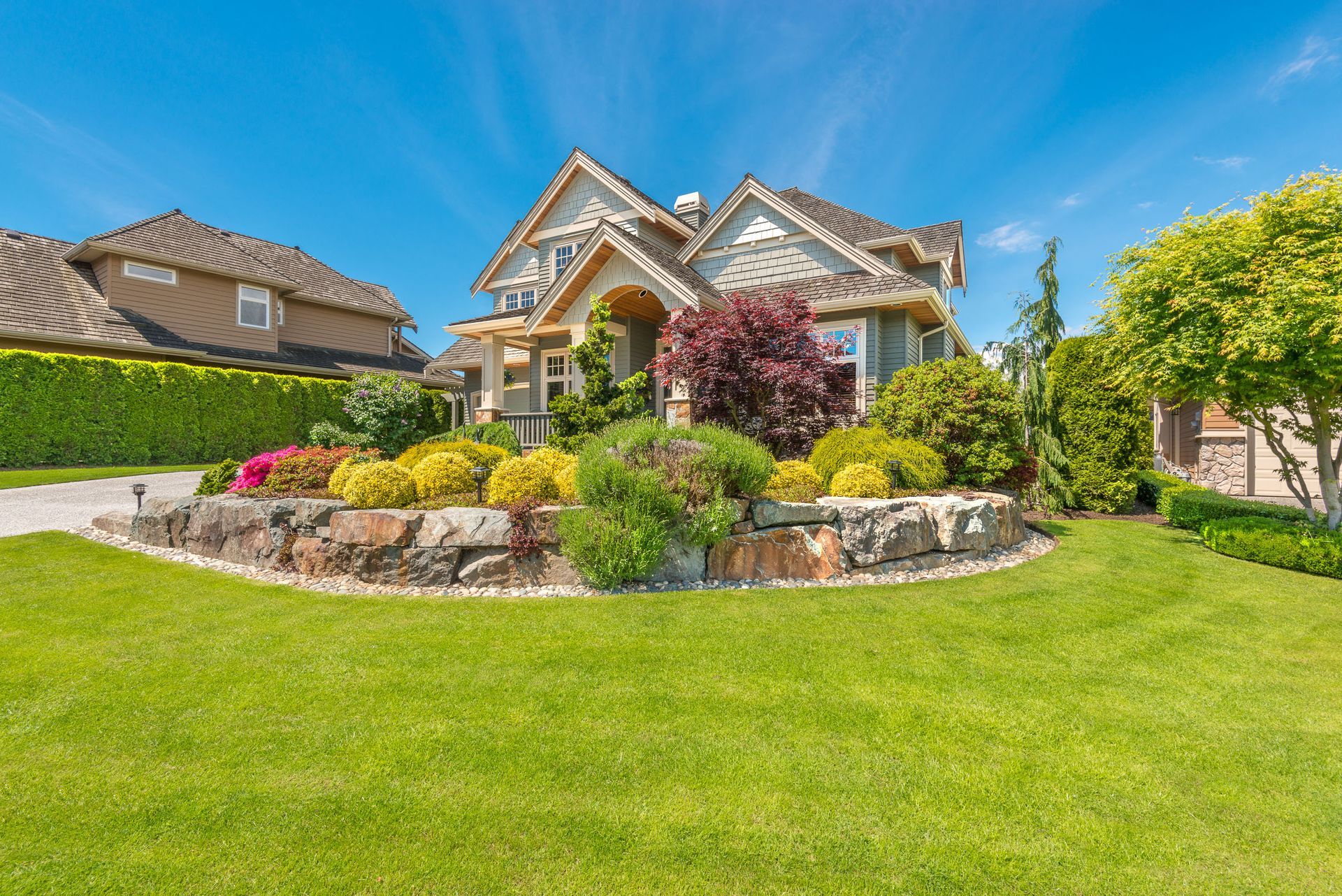
The beauty of a well-maintained lawn begins with healthy and vibrant grass. Professional services offer strategies to cultivate turf that not only looks good but also feels lush underfoot. This involves selecting the right type of grass suited to the local climate and providing necessary care, such as precise watering and mowing heights. A healthy lawn serves as the foundational canvas for other landscape elements and provides a striking first impression to visitors.
A thick green lawn can significantly increase the visual value of a property. Homeowners often seek expert advice to choose grass varieties that offer disease resistance and low maintenance. Regular professional care makes lawns more resilient against pests, contributing to their vibrancy. As a result, potential buyers are more likely to be attracted to houses with manicured exteriors.
Integrating Seasonal Flowers
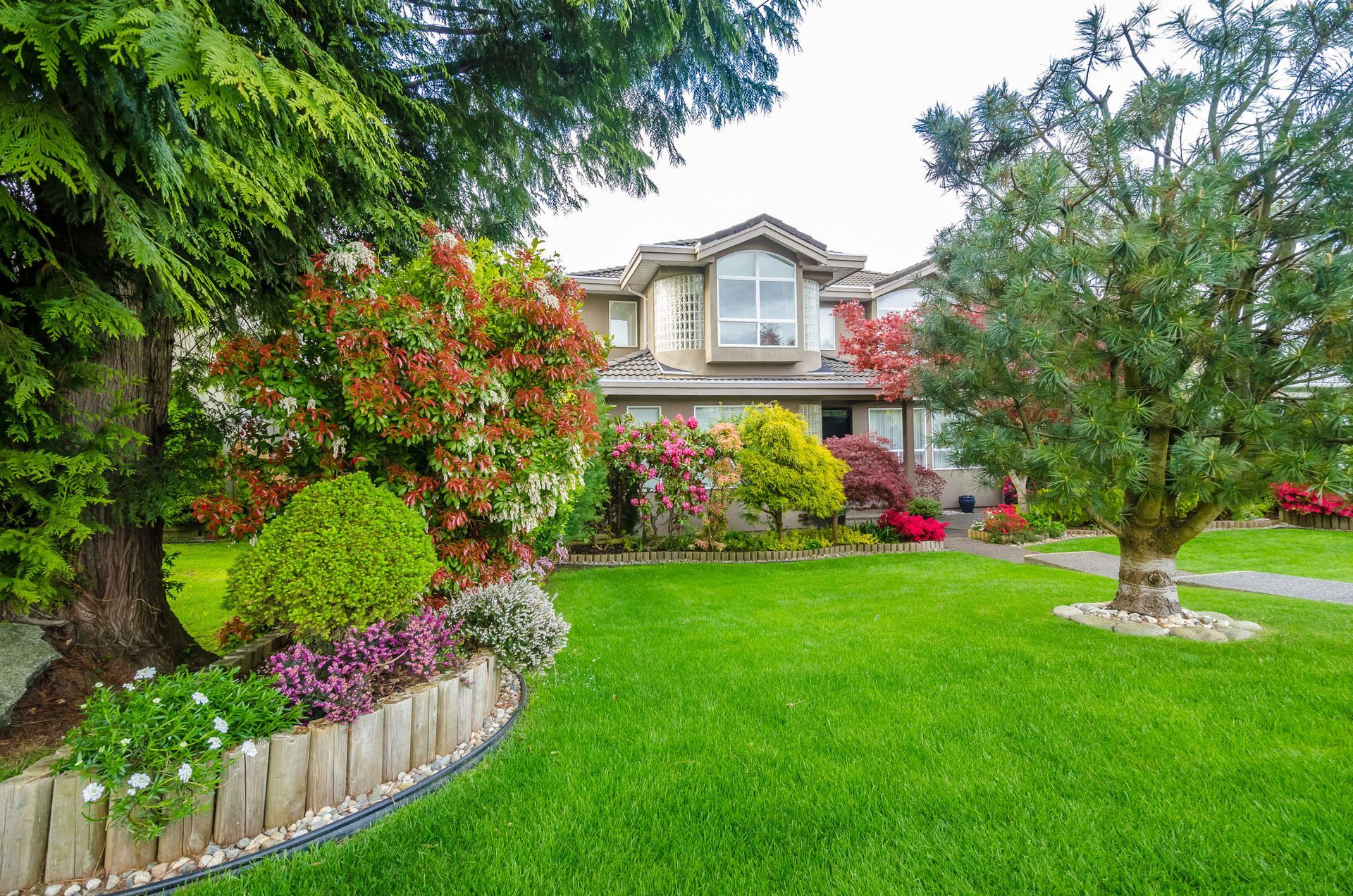
Seasonal flowers are an excellent addition to any yard, providing color that changes throughout the year. By incorporating various species into your landscape, you can coordinate colors and bloom times to help your garden present an attractive appearance year-round. Structured lawn care programs can guide homeowners in selecting flowers that complement existing landscapes and suit the specific climate. This approach not only adds aesthetic value but also fosters biodiversity by attracting pollinators such as bees and butterflies.
Implementing Lawn Edging Techniques
Lawn edging techniques play a crucial role in maintaining neat and well-defined outdoor spaces. Edging primarily helps in separating different segments of a garden or lawn, creating clear borders that enhance visual organization. This is essential for properties with varied elements like flower beds, walkways, and driveways. Well-defined edges contribute to easier maintenance by providing clear demarcation lines for mowing.
Edging can also serve as a protective barrier against grass encroachment into flower beds or patios. Different materials like metal, plastic, or stone can be used based on aesthetic preferences and budget. A well-edged lawn demonstrates meticulous maintenance, significantly boosting curb appeal. Lawns that exhibit clean lines are often more attractive to potential home buyers, thus adding economic value.
Optimizing Strategic Tree and Shrub Placement
Strategic placement of trees and shrubs can transform a landscape in terms of both beauty and functionality. Trees provide shade, improving the environmental comfort of outdoor spaces during hot summer months. Well-placed trees can also help in energy savings by providing natural cooling for the home. Shrubs add texture and form, offering diversity in height that enhances visual appeal.
Trees and shrubs can also serve as natural barriers, offering privacy and a reduction in noise pollution. Professional programs often offer insights into placement strategies to maximize these benefits. In addition to visual and functional benefits, trees and shrubs contribute to the ecological sustainability of a lawn by stabilizing soil and reducing water runoff.
Improving Soil Health
Understanding soil composition is the foundation of a successful lawn care strategy. Soil is typically composed of minerals, organic matter, water, and air: each component needs specific conditions for optimum plant growth. Lawns with the right soil structure enhance root penetration, improving nutrient absorption. Lawn care programs often begin with testing to assess nutrient levels and identify deficiencies.
Performing Regular Aeration
Aeration is a vital practice that helps alleviate soil compaction and enhance quality. Compacted soil restricts root growth and water absorption, resulting in weak and unhealthy grass. Aeration involves perforating the soil with small holes to allow air, water, and nutrients to penetrate the roots more effectively. This process rejuvenates the lawn while promoting deeper and stronger root development.
Aeration also helps in improving the balance of soil microorganisms, enhancing organic matter breakdown and nutrient recycling. For clay-heavy or highly trafficked lawns, aeration is especially beneficial in preventing ongoing compaction issues. Including aeration in a routine is essential for lawns that experience heavy use, such as those in active households with pets or children.
Incorporating Organic Matter
Organic matter is a crucial component in maintaining soil fertility. It contributes to improved soil structure, water retention, and nutrient availability. Organic material, such as compost or grass clippings, should be consistently integrated into the lawn. This addition revitalizes soil by providing essential nutrients while promoting microorganism activity. This approach is central to creating sustainable and eco-friendly outdoor spaces.
Conserving Water
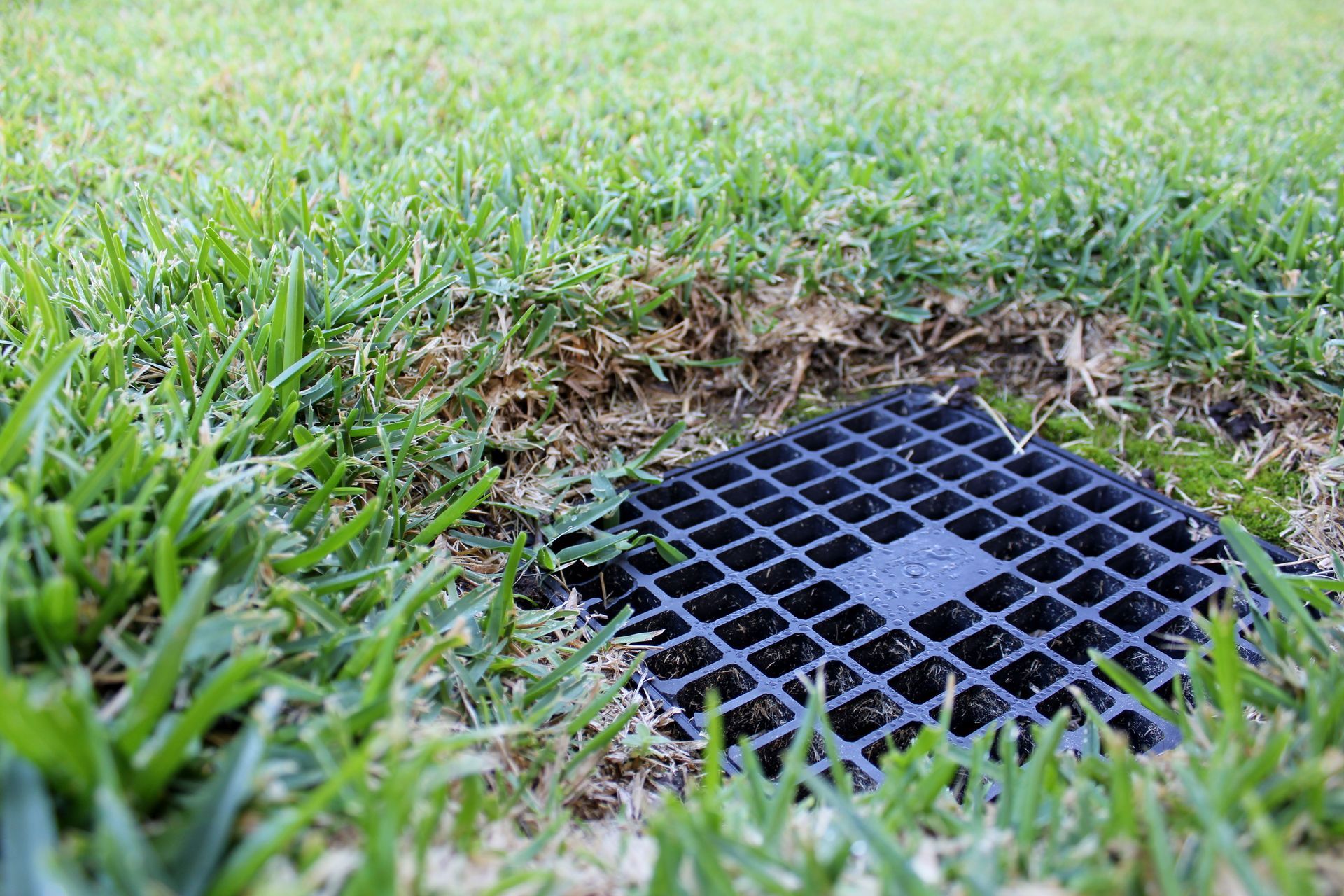
Implementing efficient irrigation systems is a critical strategy for water conservation. Automation technology, such as smart irrigation controllers, allows for precise scheduling and water delivery based on weather patterns and soil moisture levels. This targeted watering helps lawns receive adequate hydration without wastage, maximizing efficiency and reducing utility bills. Drip irrigation systems can offer even greater efficiency by delivering water directly to plant roots.
Utilizing Native Plants
Incorporating native plants into a landscape design is a strategic choice for promoting water conservation. These plants have adapted to local climate conditions and typically require less water and fewer fertilizers than non-native species. Choosing native plants reduces the environmental impact of maintenance while providing habitats for local wildlife. Lawn care programs often advocate for native flora to achieve resilient and efficient landscapes.
Reaping Rainwater Harvesting Benefits
Rainwater harvesting is a valuable strategy for sustainable maintenance. This practice involves collecting and storing rainwater for future use in irrigation, reducing reliance on municipal water supplies. By installing rain barrels or cisterns, homeowners can significantly cut down on water costs. Collected rainwater provides chemical-free nourishment to plants, as it is naturally devoid of the treatments often found in tap water.
Managing Pests and Weeds
Integrated Pest Management (IPM) is a comprehensive approach to pest control that emphasizes the use of environmentally-friendly tactics. IPM focuses on understanding the lifecycle of pests to allow for strategic interventions that minimize chemical use. This methodology incorporates cultural, physical, and biological controls to manage pests effectively and sustainably.
Controlling Invasive Weeds
Effective weed management is essential for maintaining the health and appearance of a yard. Weeds compete with grass for nutrients, water, and sunlight, often leading to patchy and unhealthy lawns. Professional programs use a combination of pre-emergent and post-emergent strategies to control invasive species. Maintaining a thick, healthy lawn is one of the most effective ways to prevent weed growth naturally.
The benefits of structured maintenance reach far beyond a simple green yard. By focusing on soil health, water conservation, and integrated pest management, homeowners can create outdoor spaces that are both beautiful and environmentally responsible. These programs protect your property investment while contributing to the overall health of the local ecosystem.
If you are ready to transform your property into a vibrant, healthy landscape, reach out to Supreme Green Landworks LLC today. Our team is dedicated to providing comprehensive lawn care programs tailored to the unique needs of your soil and climate. Contact us to learn how we can help you achieve a stunning lawn that stands the test of time.