October 2, 2026
Maintaining a lush, vibrant green yard takes a lot of work, but nothing disrupts outdoor enjoyment faster than an unexpected outbreak of fungal infection or turf disease. Leaves turning brown, strange yellow rings forming overnight, or powdery patches spreading across the grass can leave any homeowner feeling frustrated and unsure of how to proceed. Turf grass is a living ecosystem that reacts to humidity, temperature changes, soil compaction, and watering habits. Recognizing early signs of trouble allows for prompt action before minor aesthetic issues cause widespread, permanent damage to root systems. Working alongside a dedicated lawn care service ensures your property receives exact diagnoses, tailored treatments, and comprehensive protection year-round. This guide breaks down how to identify, treat, and prevent common turf ailments so your property stays healthy and beautiful in every season.
Common Fungal Lawn Diseases
Spotting trouble early begins with knowing what visual cues to look for across your grass blades and soil surface. Fungi cause the vast majority of turf ailments, manifesting as discolored patches, slimy textures, or unusual powdery coatings. Diseases like brown patch create wide, circular sunken areas during warm, humid weather, often featuring a dark ring around the outer perimeter. Dollar spot appears as smaller, silver-dollar-sized straw-colored spots that merge into large, ragged areas if left unaddressed. Rust disease coats grass blades in an unmistakable orange or yellowish powder that rubs off on shoes and equipment. Meanwhile, powdery mildew looks like a light dusting of flour scattered across shaded turf zones. Learning to distinguish these symptoms helps narrow down environmental causes and speeds up accurate treatment plan selection.
Environmental Triggers and Conditions
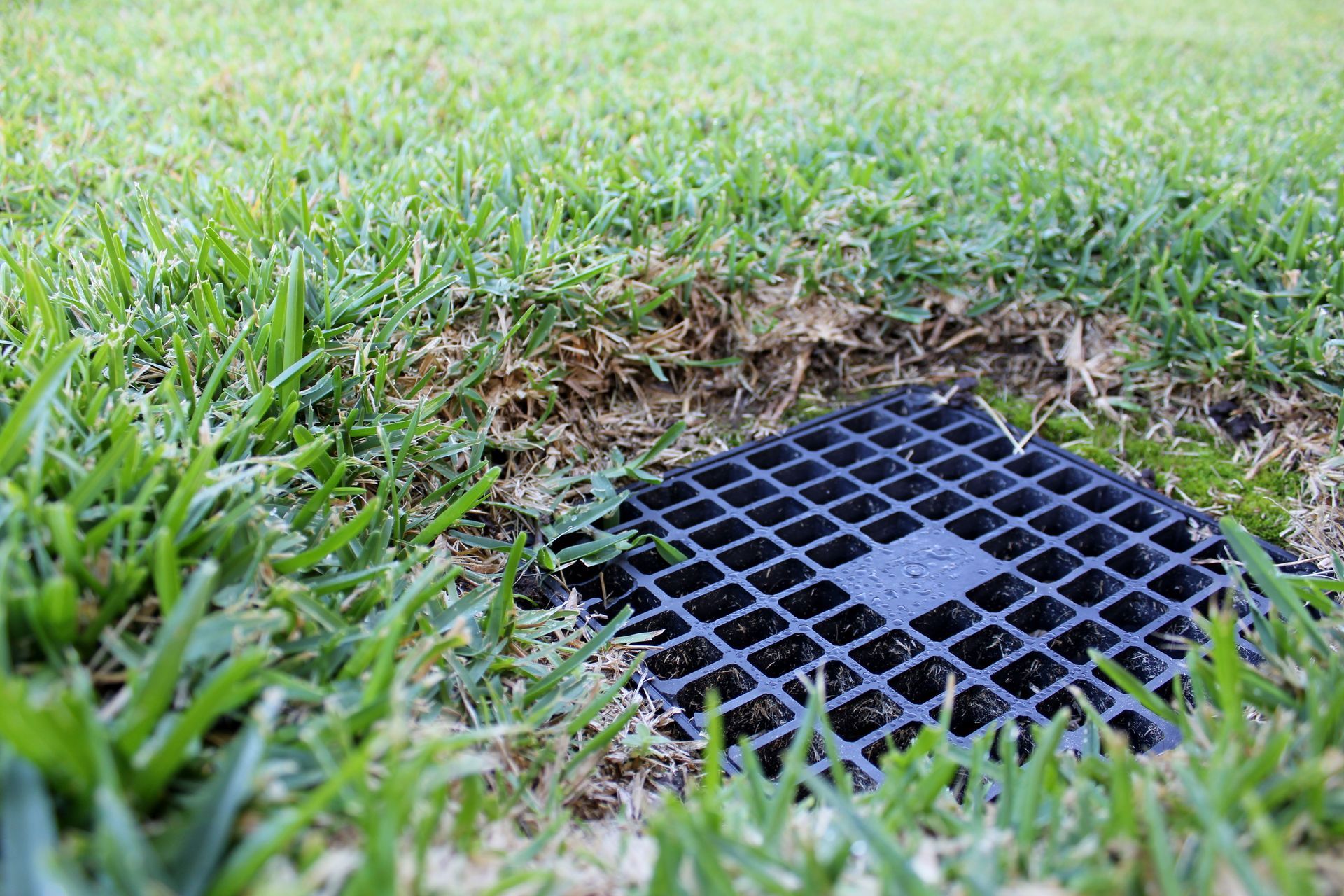
Fungal spores exist naturally in soil and thatch layers, waiting for the right environmental triggers to activate and spread. Excessive moisture combined with poor drainage creates a prime breeding ground for harmful pathogens to thrive. Prolonged periods of high humidity, overcast days, and improper evening watering routines keep turf foliage wet for too long, encouraging spore germination. Over-compacted soil prevents air and water from moving freely, weakening roots and lowering the natural defenses of the grass. According to Jobber, the lawn care business has expanded by more than 8.2% annually over three years, reflecting a growing consumer recognition that managing complex environmental factors requires steady, knowledgeable attention. Balancing soil aeration, airflow, and watering schedules effectively mitigates these risk factors before diseases take hold.
Professional Diagnostic Techniques for Accurate Identification
Correctly identifying a turf disease requires subtle observation beyond casual visual checks. Many fungal infections produce overlapping symptoms, such as yellowing leaf tips or circular dieback, making accurate self-diagnosis difficult. Trained lawn care professionals examine root depth, leaf lesion patterns, soil compaction levels, and thatch depth to pinpoint the exact pathogen responsible for damage. Professional diagnostic methods include taking soil samples to analyze pH levels and nutrient deficiencies that weaken turf immunity. Identifying whether a problem stems from fungal activity, insect damage, or environmental drought stress prevents unnecessary chemical applications. Accurate diagnosis forms the foundation of an effective recovery plan, saving time and protecting long-term soil health.
Targeted Fungicide Treatments and Application Timing
Once a turf disease is accurately identified, applying targeted treatment solutions is essential for halting its spread. Professional lawn care technicians utilize industrial-grade fungicides formulated specifically for the identified pathogen, ensuring maximum efficacy without harming surrounding vegetation. Timing plays a crucial role in fungicide application; treatments must be applied during active spore germination windows or as preventive applications prior to peak seasonal stress. Systemic treatments absorb into the plant structure to provide internal protection, while contact treatments eliminate surface spores on contact. Professional applicators adjust dosage rates based on grass variety, disease severity, and weather forecasts to ensure long-term control. Proper application techniques suppress active infections while allowing turfgrass to rebuild strength and density.
Soil Aeration to Improve Airflow and Drainage
Healthy soil structure serves as the first line of defense against stubborn fungal pathogens and root rot. Heavy foot traffic and clay soils lead to compaction, preventing oxygen, water, and essential nutrients from reaching root systems. Core aeration solves this issue by mechanically removing small plugs of soil across the yard, breaking up compacted earth, and opening pathways for deep root growth. Improved soil structure allows excess water to drain away quickly, preventing the soggy surface conditions that fungal spores require to multiply. Enhanced root ventilation encourages beneficial soil microbes that naturally suppress harmful turf diseases. Incorporating annual core aeration into routine lawn care programs dramatically boosts turf resilience and overall health.
Proper Irrigation Practices for Disease Prevention
Watering habits play a massive role in encouraging or preventing fungal outbreaks across residential turf. Deep, infrequent watering early in the morning allows foliage to dry thoroughly under the sun while delivering moisture deep into the root zone. Frequent, shallow watering or evening irrigation leaves grass blades damp overnight, creating ideal conditions for fungal spores to bloom. Professional lawn care services evaluate irrigation coverage, adjust controller schedules for seasonal shifts, and audit sprinkler nozzles for even distribution. Correcting irrigation imbalances prevents waterlogged low spots that foster brown patch and Pythium blight. Establishing proper watering patterns supports robust root systems capable of standing up against disease stress.
Balanced Nutrient Management and Fertilization Schedules
Providing balanced nutrition keeps grass strong enough to naturally resist fungal infections and environmental stressors. Excessive nitrogen applications produce rapid, tender leaf growth that proves highly susceptible to brown patch and leaf spot fungal invasion. Conversely, nitrogen-starved turf becomes vulnerable to diseases like dollar spot and rust, which thrive on weakened, slow-growing grass. Experienced lawn care professionals create customized fertilization schedules tailored to specific turfgrass species and soil test results. Slow-release fertilizer blends provide steady, balanced nutrients without triggering sudden flushes of weak growth. Proper seasonal nutrient management ensures steady root development, rich color, and natural defense mechanisms.
Thatch Management and Dethatching Techniques
Thatch is a spongy layer of dead and living organic material, including stems and roots, accumulating between green vegetation and the soil surface. While a thin layer provides insulation, thatch exceeding half an inch traps excess moisture, cuts off air circulation, and harbors hibernating fungal spores. Professional dethatching and power raking remove this excess buildup, opening up the turf canopy for better light penetration and airflow. Clearing out dense thatch allows treatments, water, and nutrients to penetrate directly into the soil where roots absorb them best. Scheduled thatch management eliminates refuge zones for pests and pathogens, keeping turfgrass clean, breathable, and resilient against disease outbreaks.
Mowing Practices and Sanitation Protocols
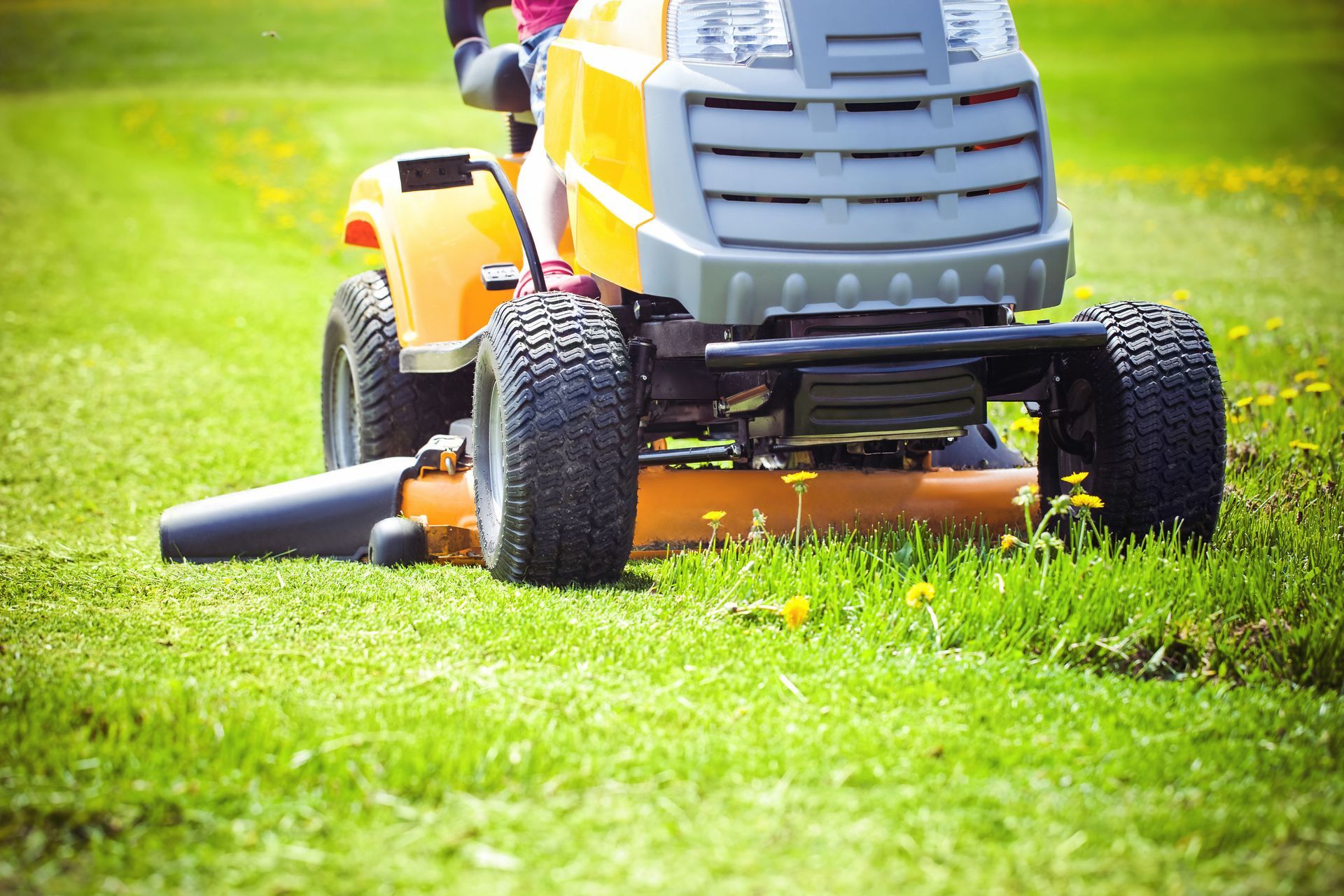
Mowing habits significantly impact turf stress levels and disease transmission across a property. Cutting grass too short weakens root reserves and exposes soil to excessive heat, lowering natural disease resistance. Professional lawn care teams adhere to the one-third rule, never removing more than one-third of the grass blade height in a single mowing session. Keeping mower blades sharp is equally important; dull blades tear grass tissues, leaving ragged edges that serve as open doorways for fungal spores. Furthermore, commercial technicians clean mower decks between properties to avoid transferring active fungal spores from infected areas to healthy turf zones, preserving overall lawn health.
Disease-Resistant Turf Varieties for Overseeding
Overseeding established lawns with disease-resistant grass varieties builds long-term defense against recurring infections. Newer turfgrass cultivars are specifically bred to withstand common fungal pathogens, heat stress, and drought conditions better than older varieties. Integrating improved perennial ryegrass, tall fescue, or Kentucky bluegrass strains creates a diverse, resilient lawn canopy capable of crowding out pathogens naturally. Professional lawn care providers select regional seed blends best suited for local shade patterns, soil types, and climate conditions. Combining core aeration with professional overseeding introduces high-performance turf varieties, filling in thin patches and creating a dense, disease-resistant outdoor space.
Maintaining a vibrant, disease-free yard requires proactive attention, proper cultural practices, and timely interventions. From identifying subtle early symptoms to executing targeted treatments, proper soil management, and strategic watering schedules, every step plays a vital role in protecting turf health. Partnering with experienced professionals takes the guesswork out of complex soil science and fungal management, ensuring your outdoor investment stays green, dense, and beautiful through every season. If you are ready to protect your property from damaging fungal infections and enjoy a thriving yard year-round, reach out to Supreme Green Landworks LLC today for comprehensive care solutions tailored to your property’s unique needs.