April 30, 2026
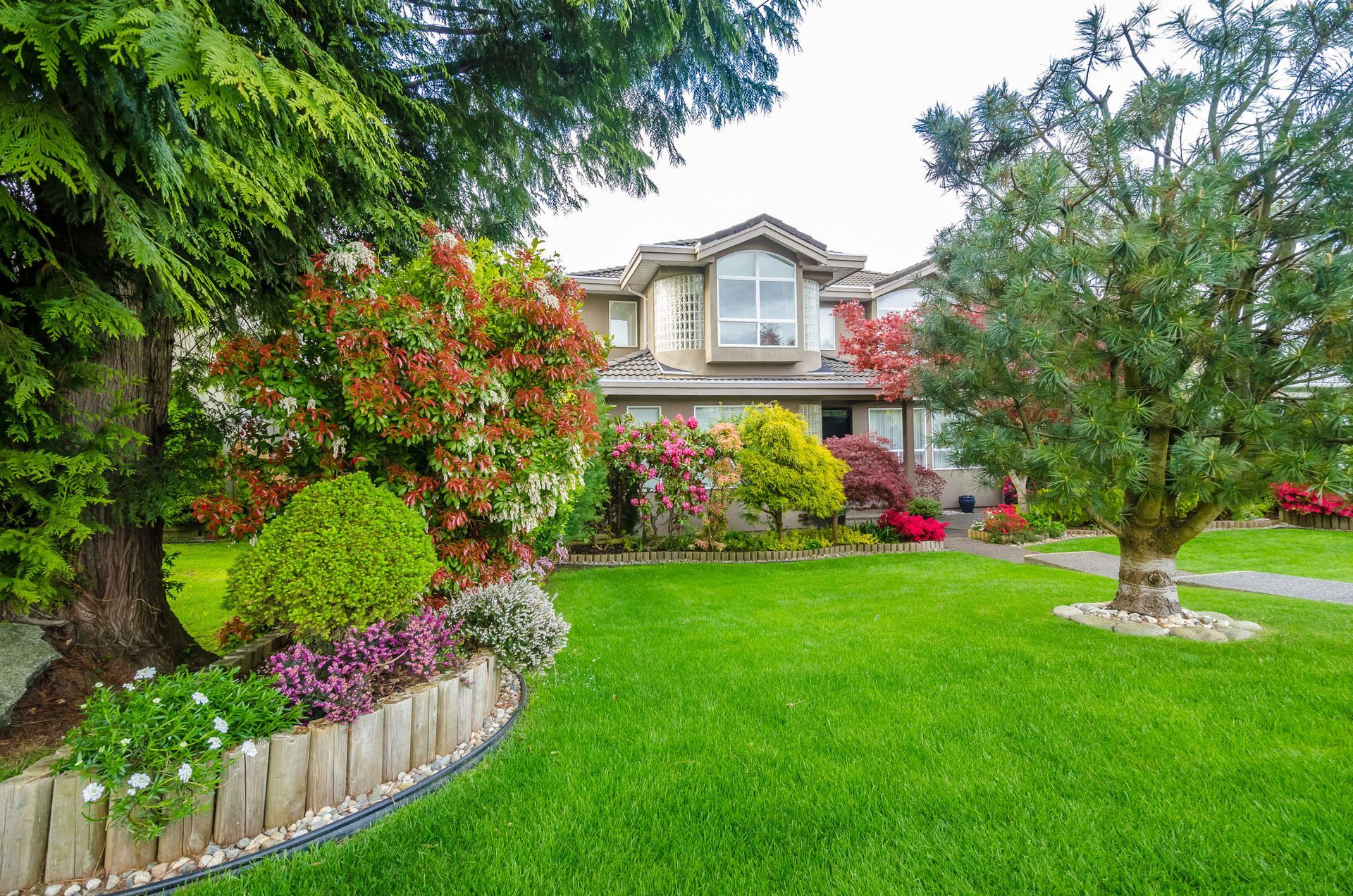
A lush, vibrant yard doesn’t happen by chance. It takes consistent attention, thoughtful practices, and a clear understanding of what your outdoor space truly needs to thrive. Whether you’re maintaining a small patch of green or a more expansive property, mastering the essentials of lawn care can make all the difference in achieving a healthy, attractive yard that enhances your home’s overall appeal.
A well-maintained lawn not only improves curb appeal but also creates a welcoming environment for relaxation and outdoor activities. With the right approach to lawn care, homeowners can cultivate grass that is resilient, evenly colored, and capable of withstanding seasonal changes. The key lies in combining proper maintenance techniques with an awareness of your lawn’s unique conditions.
Understanding Your Soil And Lawn Conditions
Healthy lawn care begins beneath the surface. Soil quality plays a critical role in determining how well your grass grows and how effectively it absorbs nutrients and water. Before implementing any lawn care routine, it’s important to understand the composition and condition of your soil.
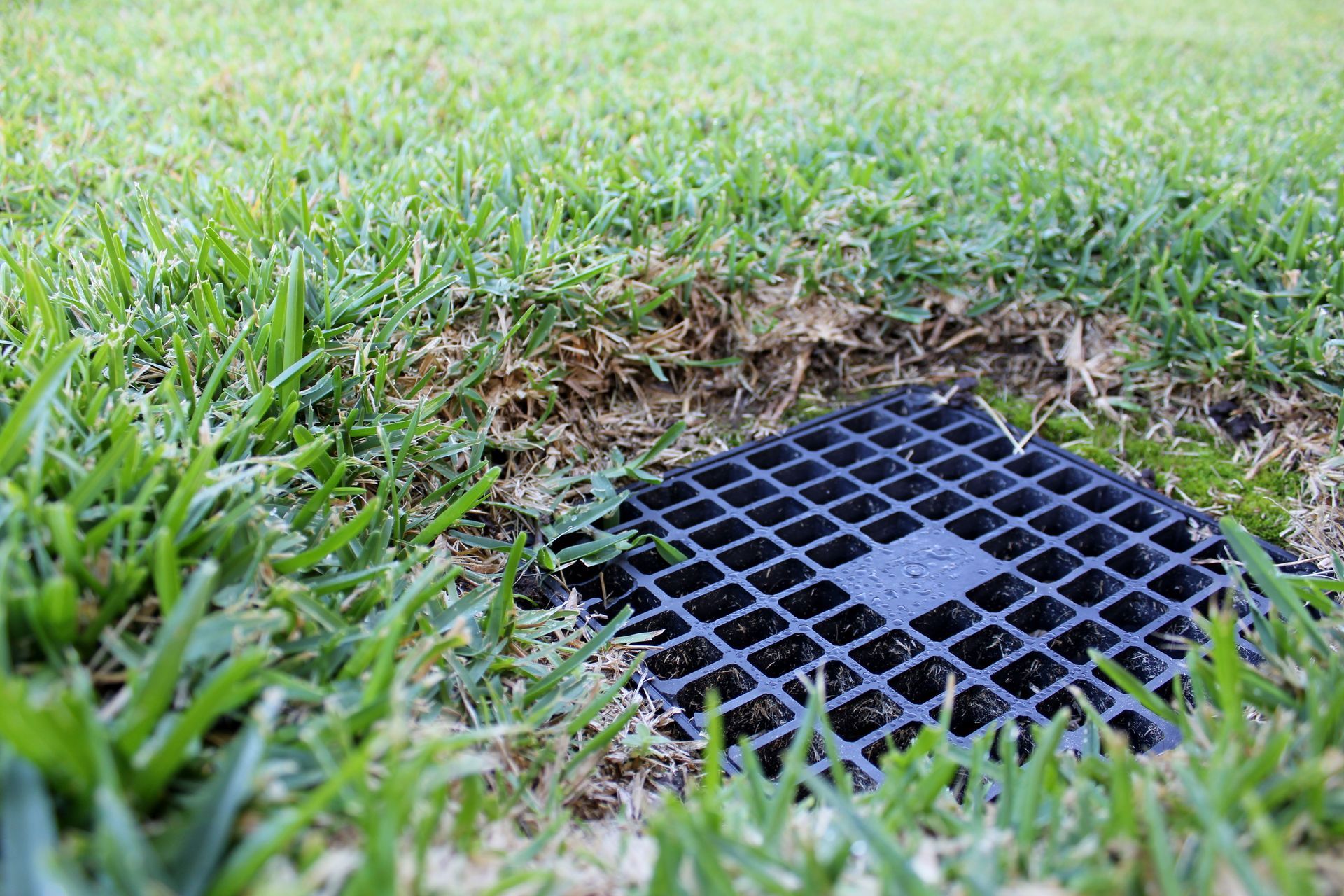
Different types of soil, such as sandy, clay-heavy, or loamy, affect drainage and nutrient retention in unique ways. A well-balanced soil structure allows roots to grow deeper, which leads to stronger and more drought-resistant grass. Observing how water behaves in your yard after rainfall can give you insight into drainage patterns and potential problem areas.
Climate and sunlight exposure also influence lawn health. Some grasses thrive in full sun, while others perform better in shaded areas. Matching your grass type to your environment is a foundational step in effective lawn care. When soil and environmental conditions are aligned with the needs of your grass, long-term success becomes much easier to achieve.
Establishing A Consistent Watering Routine
Watering is one of the most essential components of lawn care, yet it is often misunderstood. Providing the right amount of moisture at the right time encourages deep root growth and prevents common issues such as disease or shallow rooting.
Rather than watering lightly and frequently, it’s generally more beneficial to water deeply and less often. This approach allows moisture to penetrate deeper into the soil, encouraging roots to grow downward in search of water. As a result, your lawn becomes more resilient during dry periods.
Timing also matters. Early morning watering is ideal because it reduces evaporation and allows the grass to dry throughout the day. Evening watering can leave moisture sitting on the blades overnight, which may promote fungal growth.
It’s important to adjust your watering routine based on weather conditions. Periods of heavy rainfall require less supplemental watering, while dry spells may call for additional attention. By observing your lawn’s response, you can fine-tune your lawn care practices for optimal results.
Practicing Proper Mowing Techniques
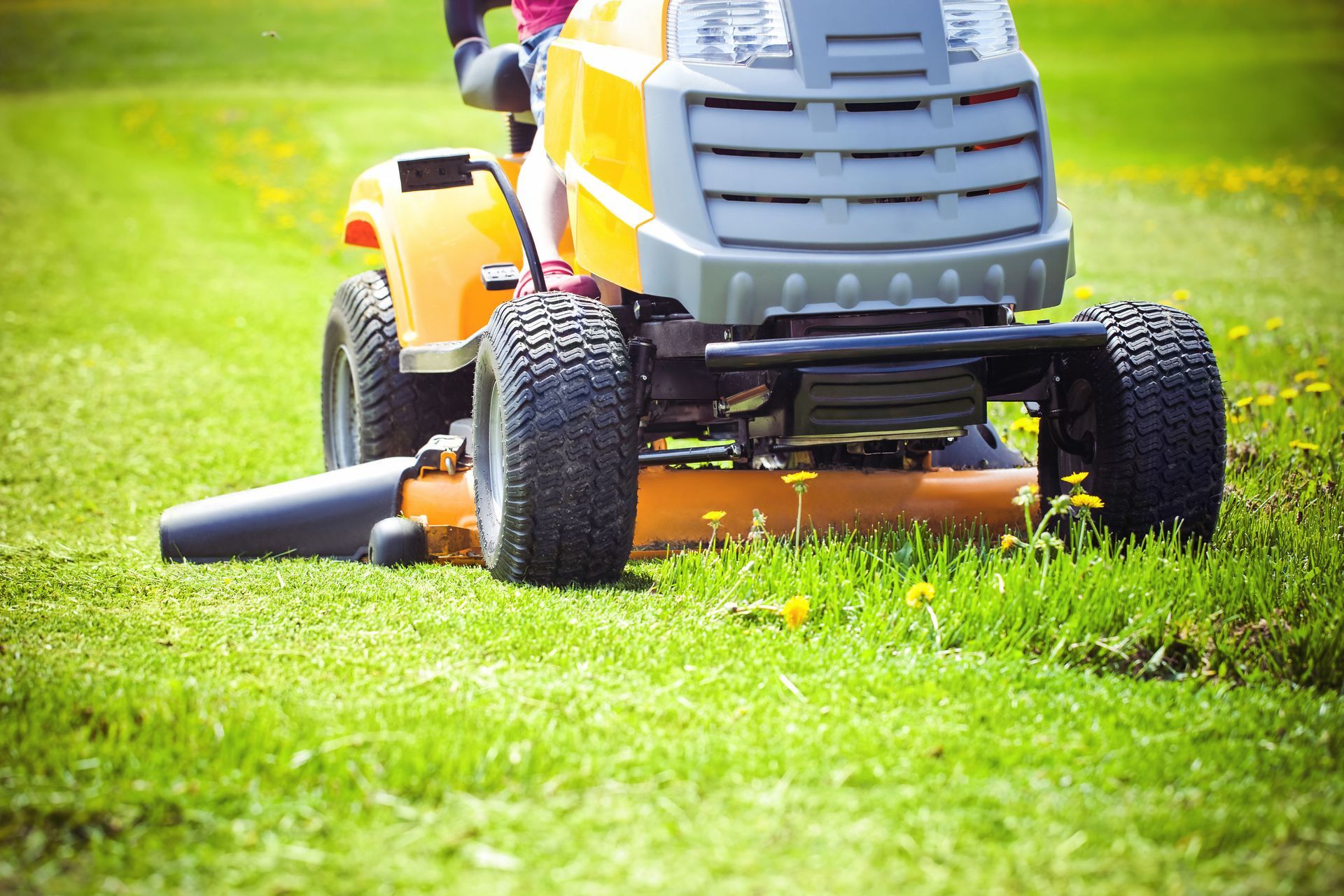
Mowing is more than just maintaining appearance; it is a crucial part of lawn care that directly impacts the health of your grass. Cutting your lawn too short can stress the grass, weaken root systems, and make it more susceptible to weeds and disease.
A good rule of thumb is to remove only a portion of the grass blade during each mowing session. Leaving the grass slightly taller helps shade the soil, retain moisture, and reduce weed growth. Consistency is key, as irregular mowing can lead to uneven growth and an unhealthy lawn.
Sharp mower blades are essential for clean cuts. Dull blades tear the grass rather than cutting it cleanly, which can lead to browning and increased vulnerability to pests and disease. Keeping your equipment in good condition ensures that your lawn care routine supports healthy growth rather than hindering it.
Additionally, leaving grass clippings on the lawn can provide natural nutrients as they decompose. This practice, often referred to as grasscycling, contributes to a more sustainable lawn care approach.
Applying Fertilization And Nutrient Management
Nutrients are vital for maintaining a vibrant lawn, and fertilization is a central component of effective lawn care. Grass requires a balance of essential nutrients to grow thick, green, and resilient.
Choosing the right fertilizer depends on your soil’s existing nutrient levels and the type of grass you have. Organic and slow-release fertilizers are often preferred because they provide a steady supply of nutrients over time, reducing the risk of overfeeding.
Applying fertilizer at appropriate times throughout the growing season helps support healthy development. Over-fertilizing, however, can lead to excessive growth, increased maintenance, and potential environmental issues. Moderation and timing are key to achieving the best results.
According to WifiTalents, the average lawn size in the U.S. is about 0.2 acres, with larger properties averaging up to one acre in some regions. This highlights the importance of tailoring lawn care practices, including fertilization, to the size and specific needs of your yard.
By understanding your lawn’s nutrient requirements and applying fertilizers thoughtfully, you can promote consistent growth and long-term health.
Controlling Weeds And Preventing Pests
Weeds and pests are common challenges that can quickly undermine even the most diligent lawn care efforts. Addressing these issues early and proactively is essential for maintaining a healthy yard.
Weeds compete with grass for nutrients, water, and sunlight. Preventing their growth is often more effective than trying to eliminate them after they become established. Maintaining a thick, healthy lawn is one of the best defenses against weeds, as dense grass leaves little room for unwanted plants to take hold.
For existing weed problems, targeted treatments can be used to address specific types without harming the surrounding grass. Choosing the right approach depends on the severity of the issue and the type of weeds present.
Pests, such as insects that feed on grass roots or blades, can cause significant damage if left unchecked. Signs of pest activity may include discolored patches, thinning grass, or increased presence of birds feeding on the lawn.
Integrated pest management strategies focus on prevention, monitoring, and targeted treatment. This approach minimizes the use of chemicals while effectively addressing pest issues as part of a comprehensive lawn care plan.
Aerating And Improving Lawn Structure
Over time, soil can become compacted due to foot traffic, weather conditions, and regular use. Compacted soil restricts the flow of air, water, and nutrients to the roots, making it difficult for grass to thrive.
Aeration is a key lawn care practice that helps alleviate soil compaction. By creating small openings in the soil, aeration allows essential elements to reach the root zone more effectively. This process encourages stronger root development and improves overall lawn health.
Aeration is particularly beneficial for lawns that experience heavy use or have dense soil compositions. Following aeration with overseeding can further enhance results by introducing new grass varieties that improve density and resilience.
Improving soil structure may also involve adding organic matter, such as compost, to enhance nutrient availability and moisture retention. These efforts contribute to a more balanced and supportive environment for grass growth.
A healthy yard is the result of thoughtful, consistent lawn care practices that work together to support growth, resilience, and beauty. From understanding your soil to refining your mowing and watering routines, each step plays a vital role in creating a lawn that you can enjoy throughout the year.
When you invest time and effort into proper lawn care, the rewards extend beyond visual appeal. A well-maintained lawn provides a comfortable outdoor space for relaxation, gatherings, and everyday enjoyment. It also contributes to the overall value and character of your property.
If you’re ready to elevate your outdoor space with professional expertise and dependable service, we at Supreme Green Landworks LLC are here to help. Our team is committed to delivering high-quality lawn care solutions tailored to your unique needs, ensuring your yard remains healthy, vibrant, and inviting.